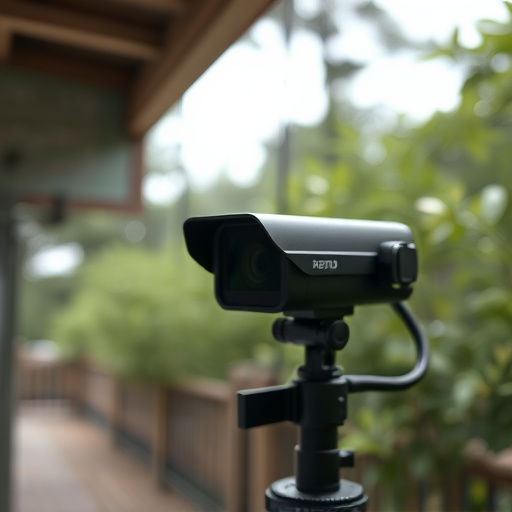
Micro cameras offer a powerful yet discreet tool for child protection, allowing unobtrusive monitoring in schools, homes, etc. Their use requires careful navigation of privacy rights and legal boundaries, especially in public or without consent. Strategically placed micro cameras provide high-quality footage for comprehensive coverage while preserving privacy through secure connectivity to a central hub, accessible only to authorized personnel.
“Uncovering the power of micro cameras for child protection involves a blend of technological sophistication and ethical awareness. This article delves into the best practices for installing a covert camera network, guiding parents and caregivers through the process of enhancing safety without compromising privacy. We explore the legal landscape surrounding these devices, ensuring responsible deployment. From understanding the capabilities of micro cameras to setting up an efficient network, this comprehensive guide offers strategies for proactive child protection.”
- Understanding Micro Cameras: Power and Discretion
- Legal and Ethical Considerations for Installation
- Network Setup: Ensuring Effective Child Protection
Understanding Micro Cameras: Power and Discretion
Micro cameras, often referred to as hidden or covert cameras, offer a discreet and powerful tool for child protection in today’s digital era. These tiny devices pack a punch when it comes to monitoring and ensuring safety, especially in sensitive environments like schools, daycare centers, and homes. The ability to install them without drawing attention makes them an effective game-changer in safeguarding our young ones from potential threats or abusive situations.
Understanding the capabilities of micro cameras is crucial for parents, caregivers, and professionals. These tiny cameras can be seamlessly integrated into everyday objects like toys, picture frames, or even light switches, making them nearly invisible to prying eyes. This discretion is a double-edged sword, as it allows for unobtrusive observation but also requires careful consideration of privacy rights and legal boundaries, especially when used in public spaces or without explicit consent.
Legal and Ethical Considerations for Installation
When considering a network of micro cameras for child protection, it’s crucial to navigate the legal and ethical landscape meticulously. The use of covert surveillance technology raises significant privacy concerns, especially when minors are involved. Each jurisdiction has strict laws regarding video recording and monitoring, with many prohibiting secret camera installations without explicit consent or in certain private spaces like bathrooms and bedrooms.
Ethically, the focus should be on balancing safety measures with respect for individual privacy. It’s essential to obtain parental consent, ensure data security, and only use the footage for its intended purpose – child protection. Transparency is key; inform all involved parties about the camera network’s existence and limitations to maintain trust and avoid potential legal pitfalls associated with hidden micro cameras for child protection.
Network Setup: Ensuring Effective Child Protection
When setting up a covert camera network for child protection, the focus should be on creating a comprehensive and discreet system that provides thorough coverage without compromising privacy. Micro cameras are an effective tool in this regard, offering high-quality footage while remaining almost invisible. Positioning these cameras strategically in common areas like playrooms, hallways, and recreational zones ensures continuous monitoring, allowing caregivers or authorities to detect any potential issues promptly.
A well-designed network ensures that each camera feeds into a central hub, facilitating easy access to live and recorded footage. This setup enables quick response times during emergencies, as all relevant data is readily available. Additionally, implementing secure connectivity methods safeguards the integrity of the system, ensuring that only authorized individuals can access the micro cameras’ feed, thereby protecting both children’s privacy and the sensitivity of the information collected.
The strategic deployment of micro cameras is a powerful tool in safeguarding children, offering both discretion and comprehensive monitoring. However, it’s crucial to balance this power with ethical considerations and legal boundaries. By adhering to best practices, such as ensuring informed consent, maintaining transparency, and prioritizing data privacy, parents and caregivers can leverage Micro Cameras for Child Protection while respecting individual rights. A well-designed network setup that prioritizes effective communication and real-time alerts further enhances safety, enabling swift intervention when needed.